
Making Space for Others
In Almería, Spain, a home became a museum through the generosity of one woman. The story of Doña Pakyta shows us how art can impact people, places, and histories that give it meaning.
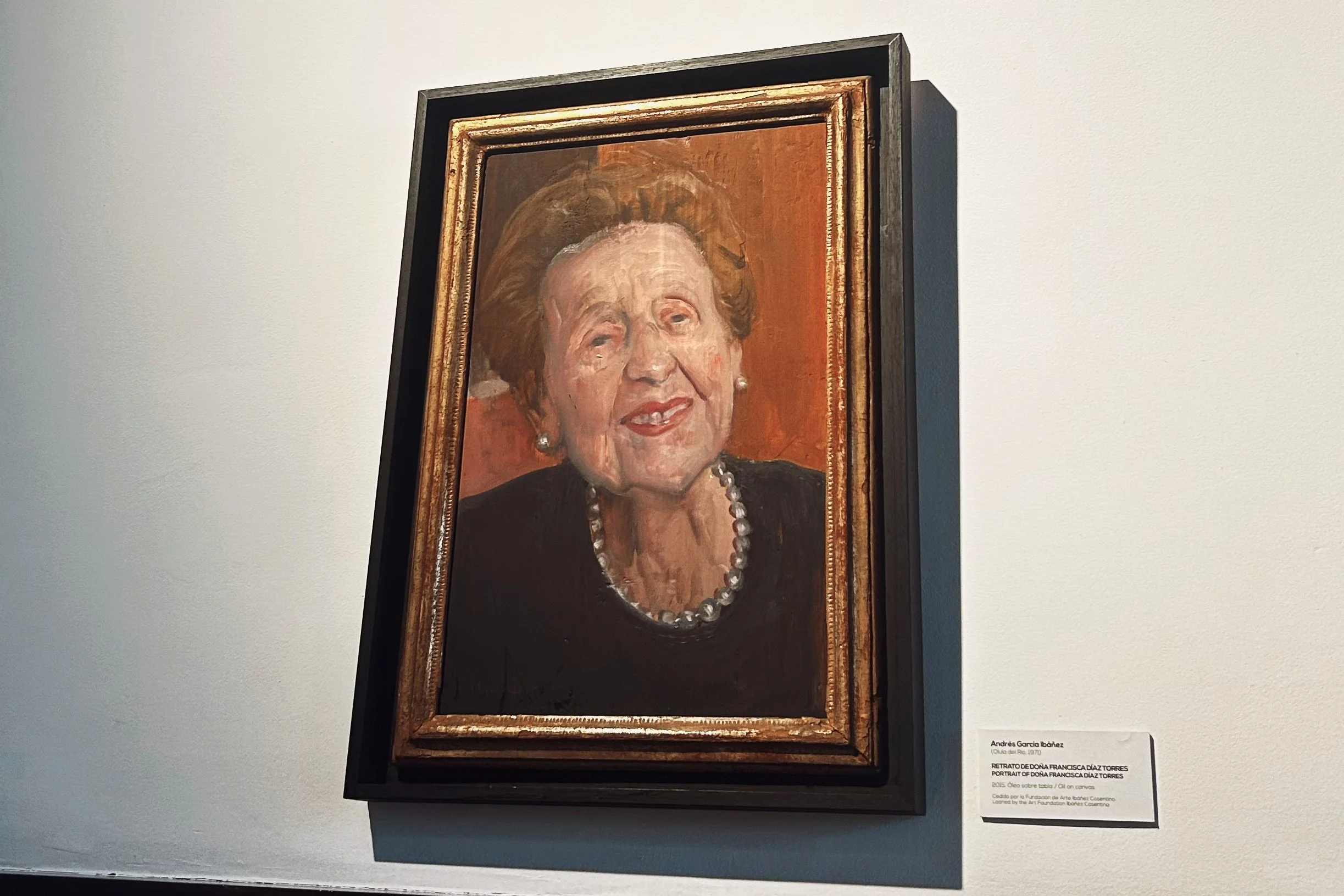
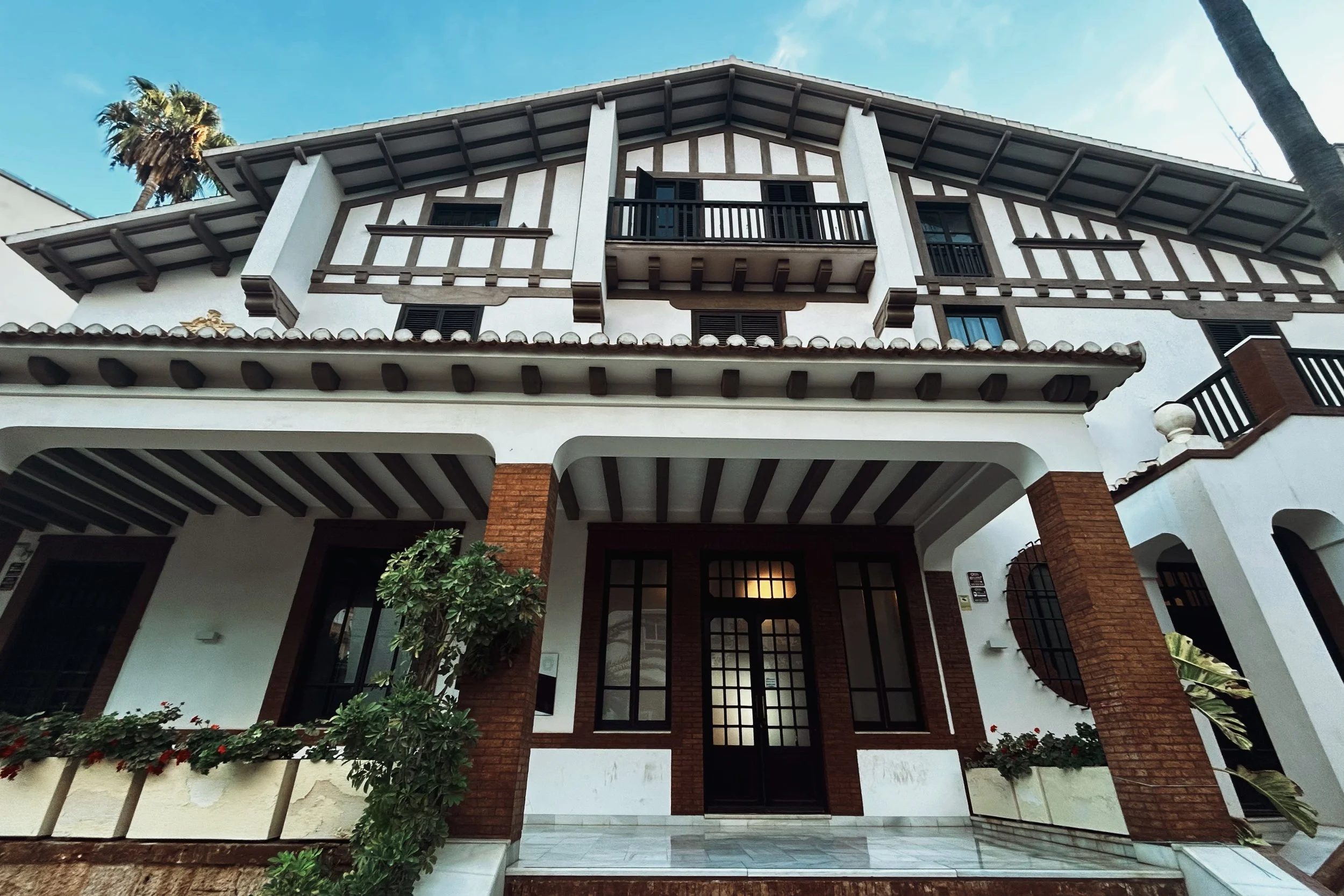
In Almería, along the sunlit streets of southern Spain, the Doña Pakyta Museum of Art resides at the tip of an intersection in the city. It was a quiet evening after siesta as I entered the idyllic front gates of the museum; there stood the form of what used to be a home.
The museum takes its name from Francisca Díaz Torres, affectionately known as Doña Pakyta or Doña Paquita. Born in 1911, she was an Almerían businesswoman whose life extended far beyond the walls of her home. She was a woman who cared deeply about her region, its natural landscape and its future. In 2010, she was named Hija Predilecta de Andalucía, or Favourite Daughter of Andalusia, in recognition of her contribution to the region, particularly her commitment to environmental conservation.
A house with a future beyond its owner
The building itself has a story worth telling.
Constructed in 1928 by architect Guillermo Langle, the house was known locally as the Casa Vasca, or Basque House, for its distinctive northern Spanish regionalist architectural character. It was originally commissioned by Antonio González Egea and later became the home of Doña Pakyta and her husband, José González Montoya.
In the 1980s, Doña Pakyta made a decision that would eventually transform this private residence into a public cultural space. She donated her home to the City of Almería with the intention that, following her death, it would become a cultural centre and permanent exhibition space.
The architecture and wooden staircases of the low-lying museum building were breadcrumbs of its past, alongside the dainty flowers and bushels that embellished the surrounding fence. Herein lies the beauty of a house museum: a home is a collection of routines, memories, objects, and the quiet evidence of a life lived. What had once been a domestic space became a place where the people of Almería could encounter their own artistic history.
A woman who cared for the land
To understand Doña Pakyta’s gift to the arts, it is worth looking at the wider shape of her life. Alongside her husband, and later independently following his death in 1976, she helped preserve the landscape around San José and the Bay of San José, within the Cabo de Gata-Níjar region.
At a time when development pressures threatened the character of the area, she supported a more considered approach to building and tourism, seeking to protect the natural environment while allowing local livelihoods and businesses to continue. Her work included the management of the El Romeral estate and the conservation of its surrounding landscape.
What connects this work to the museum is not difficult to recognise. In both instances, there is an understanding of the value of place. A landscape can be economically useful and still deserve protection. A house can be privately owned and still hold the potential to serve the public. And art, too, can exist beyond the narrow confines of the market, offering people a way to understand their surroundings, their histories and one another.
For a woman whose life was shaped by the stewardship of both land and property, the decision to give her home to the city feels consistent with a larger philosophy: that what we inherit or accumulate can become a means of caring for something beyond ourselves.
Bringing Almería’s art into view
Today, the Doña Pakyta Museum of Art offers visitors a panorama of art from Almería spanning approximately a century, from the late nineteenth century through to the 1970s.
Across its seven rooms, visitors encounter painting, drawing, printmaking and sculpture, tracing the evolution of artistic life in the region. The collection includes works from the academic traditions of the late nineteenth and early twentieth centuries, alongside artists who moved beyond their home region to engage with wider artistic developments.
Particular attention is given to the Indaliano Movement, which emerged in the late 1940s and early 1950s. Associated with a group of artists seeking to express the distinctive character and identity of Almería, the movement became an important chapter in the region’s modern art history. Among its founding figures were Jesús de Perceval, Francisco Alcaraz and Luis Cañadas, alongside other artists who helped establish its visual language.
The collection offers visitors a chance to encounter a region through the eyes of those who lived and worked within it.
Art history is often narrated through major European capitals, celebrated institutions and artists whose names have travelled across borders. Yet every place has its own creative history, shaped by local communities, changing landscapes and people who have found ways to express the particularities of where they belong.
Regional museums help bring these histories into view. They give artists a place within a broader narrative and allow visitors to recognise that cultural significance does not begin only when a work receives international recognition.
For residents, this can mean seeing their home differently. For visitors, it offers an invitation to understand a place beyond its familiar images of sunshine, beaches and holiday architecture.
And for the artists represented here, it means their work remains part of a living conversation about Almería.
The quiet work of making art accessible
As a woman writing about art, I find myself returning to the question of who makes cultural access possible.
We often celebrate the artists who create, the curators who assemble exhibitions, and the institutions that preserve collections. Less frequently do we consider the individuals whose decisions make those encounters possible in the first place.
Doña Pakyta’s story offers another way of looking at cultural patronage, with a sense of radical foresight, she chose to imagine a future in which a home could serve a wider community.
Her life was also one of business, independence and decision-making. She was a woman who managed property, participated in the development of her region and took an active interest in how its future would unfold.
Her legacy, therefore, asks us to consider women’s contributions as caretakers and their agency as people who shape the cultural, economic and environmental conditions around them. Sometimes, to care for a community may take the form of creating the conditions for others to participate, discover and flourish.
And perhaps this is where the museum’s story becomes especially relevant to those of us working in the arts today. Access is about opening doors, ensuring that the histories, voices and creative practices within those doors have the opportunity to be encountered and remembered.
What we choose to leave behind
There is a tendency to think of legacy as something reserved for the extraordinary: the artist whose work survives for centuries, the philanthropist whose name adorns a building, or the institution that outlasts its founders.
Doña Pakyta’s story suggests something more grounded.
Legacy can be a house given a second life. It can be a landscape protected from unnecessary development. It can be a collection of regional artworks made available to people who might otherwise never encounter them.
None of these gestures exists in isolation. Each depends on a willingness to look beyond the immediate present and consider what might be possible for someone else.
Today, visitors enter the Doña Pakyta Museum of Art made possible by a woman’s decision to share what she had with the city she called home. And though her name remains, it belongs, in a different sense, to the people who walk through it, to the artists whose work is shown there and to future generations who will discover Almería through its collection.
Doña Pakyta gave her home a future beyond her own lifetime. In doing so, she helped make room for the artistic histories of her community to live on.